Understanding Body Fat
A story about numbers, neighborhoods, and what actually matters.
Meet Kaeton.
Kaeton isn't lazy. He's not undisciplined. He works, he moves, he eats… but like most people, he has no idea what his body fat percentage actually means — or why it matters.
One day, Kaeton steps on a smart scale. It flashes a number: 27%.
Let's walk through what that number really means — and why body fat is not the villain people think it is.
First: What Is Body Fat?
Body fat is simply stored energy. Your body keeps it around for:
Kaeton's Fat Has Two Neighborhoods
🏘️ Subcutaneous Fat (The Chill Neighbor)
This is the fat under your skin. You can pinch it. Found on arms, legs, hips, and belly.
The Truth: It's mostly harmless. It softens your appearance and makes abs "disappear".
🏭 Visceral Fat (The Problematic One)
This lives deep inside the abdomen, wrapped around organs (liver, pancreas). It's invisible from the outside.
The Problem: It interferes with insulin, raises inflammation, and messes with hormones.
What Do Body Fat Percentages Actually Mean?
Let's put Kaeton on a spectrum.
30%+ Body Fat (High Risk Zone)
Fatigue, poor recovery, metabolic strain. Fat loss here improves health fast.
Overloaded25–30% (Average but Not Ideal)
Common in modern lifestyles. Subcutaneous dominates, but visceral is creeping up.
Average18–25% (Healthy & Sustainable)
Organs are happier. Energy improves. Clothes fit better without obsession.
Sweet Spot12–18% (Lean & Athletic)
Visible muscle definition. High insulin sensitivity. Requires consistency.
FitUnder 10–12% (Performance Zone)
Hard to maintain. Hormones may suffer. Useful for short-term goals, not always health.
ExtremeThe Big Realization Kaeton Has
It isn't about
- ❌ Shame
- ❌ Perfection
- ❌ Six-pack obsession
It is about
- ✅ Organ health
- ✅ Energy levels
- ✅ Sustainability
"I don't need to be the leanest person in the room. I just need my body working with me, not against me."
"But… How Accurate Is That Number?"
Kaeton stares at his scale. Yesterday: 27%. Today: 25.8%. He did nothing different. Why?
⚖️ Smart Scales (Estimates)
Most use Bioelectrical Impedance. They guess based on how electricity flows through you.
• Hydration levels affect it
• Sodium intake affects it
• Even cold feet affect it!
🧠 DEXA Scan (The Gold Standard)
Uses low-dose X-rays to measure visceral fat and lean mass precisely.
• Very accurate
• Costs money
• Requires appointment
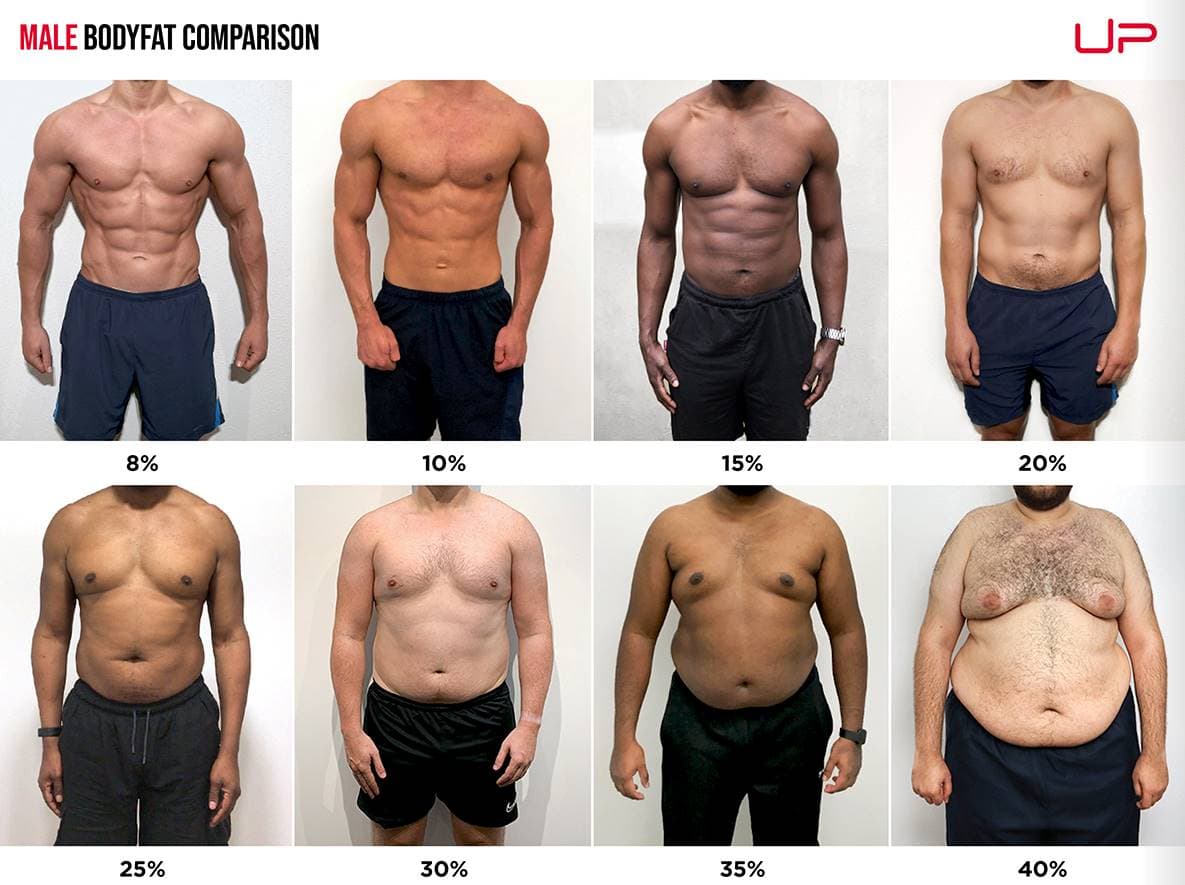
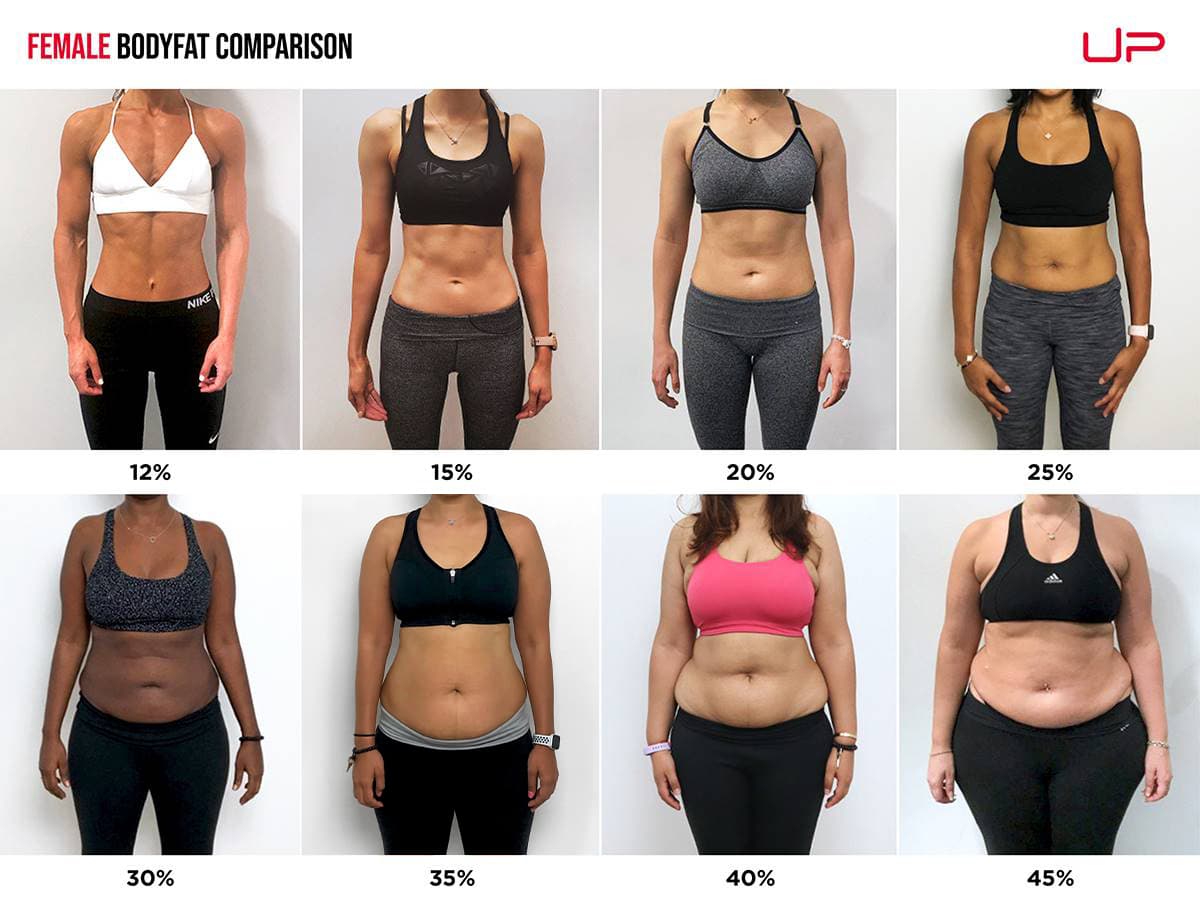
The Surprisingly Effective "Mirror Method"
Kaeton realizes that visual comparison is often more accurate than a cheap scale. Humans are good at pattern recognition.
Select your biological sex to see the most accurate reference photos.
Deep Dive Recommendation
For a visual breakdown of body fat percentages and the science behind measuring them, we highly recommend this video by Jeff Nippard. He breaks down the accuracy of different methods (DEXA, Calipers, BIA) with real-world examples.
▶ Body Fat % Explained (Science-Based)
Jeff Nippard explores the margins of error in common measurements and shows what real body fat percentages look like.